
Mesh: pros and cons
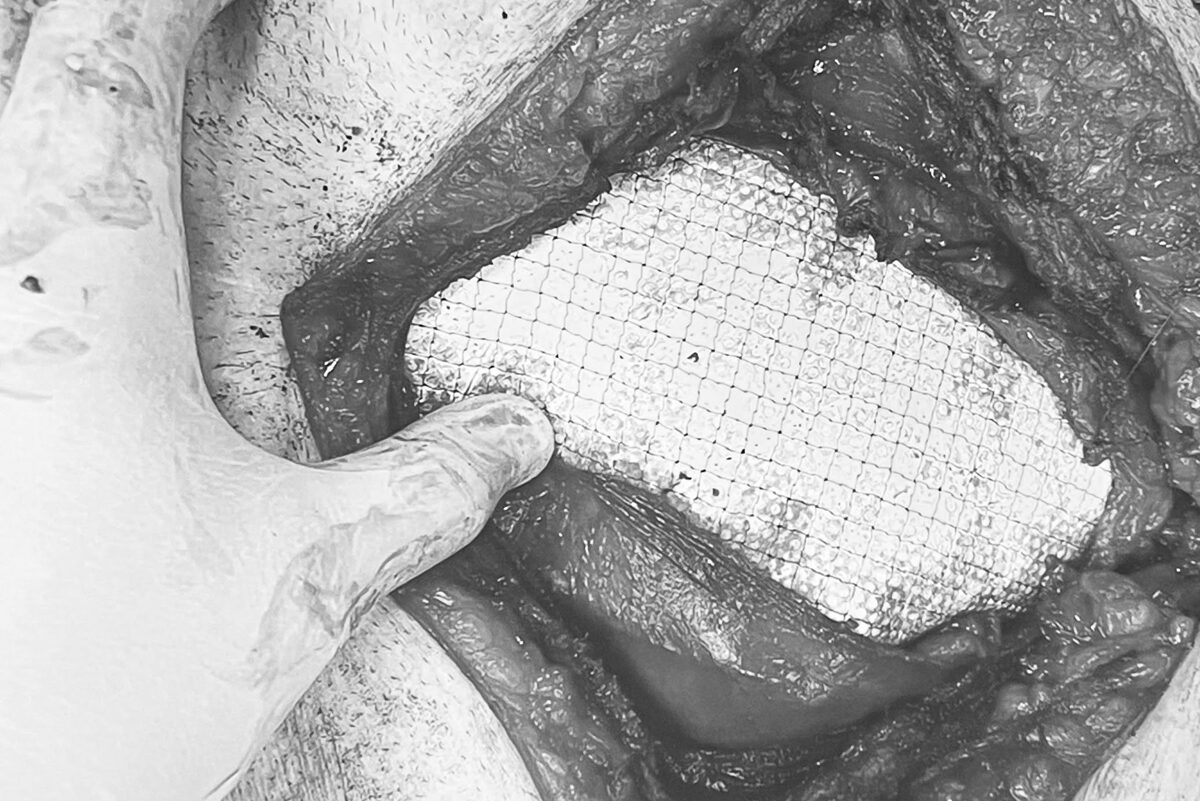
- Mesh was first used for hernia repair around 30 years ago. Early meshes were made of very tightly woven or knitted polypropylene and were rightly considered a major advance in hernia repair at the time.
- The older 'micropore' meshes were however quite stiff, didn't stretch much, didn't incorporate into the host tissues well, and often tended to shrink with time. This could lead to problems for some patients.
- Mesh is still widely used to aid hernia repair, but most modern day 'macropore' meshes are lightweight, lower density and are less liable to cause a 'foreign body feeling' than older meshes. They tend to mould with the abdominal wall better than the older meshes. They act as a scaffold for healing tissue in-growth and allow for some stretching.
- 'Biologic meshes' were regarded as a major advance for a significant period of time. They were typically used either in the presence of contaminated tissues, or to prevent bowel from coming into contact with a synthetic mesh. However, experience has shown that they biodegrade, and as such provide no long term tissue reinforcement.
- Occasionally mesh can become infected but careful surgery and antibiotics can minimise this risk.
- Some newer meshes eg Ovitex TM (manufacturer TelaBio) are made of a synthetic inner component and a protective animal derived outer component. This appears to be beneficial at reducing hernia recurrence in higher risk settings.